
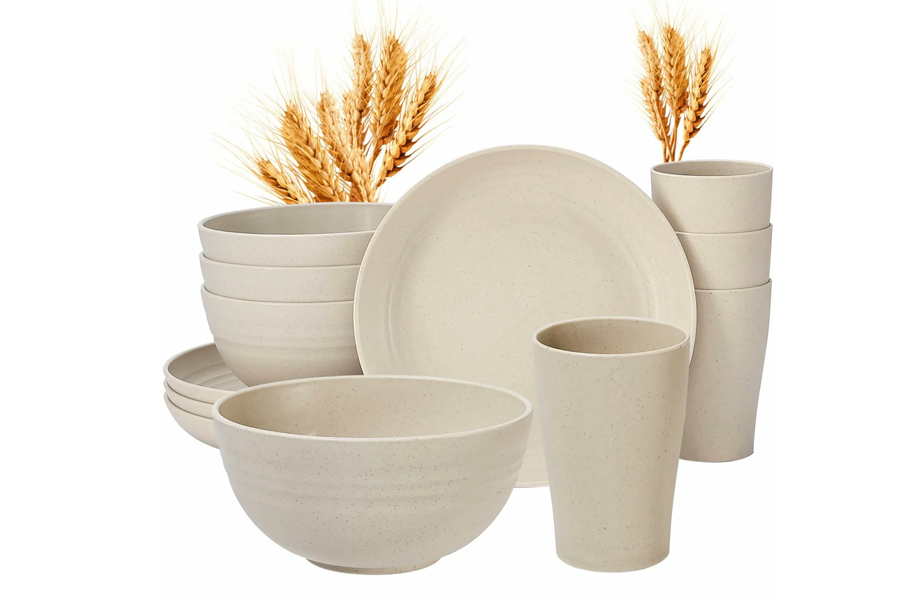
When it comes to eco-friendly disposable tableware, the debate between Wheat straw vs bamboo plate has gained immense popularity. Both materials are sustainable alternatives to plastic and paper plates, offering biodegradable and renewable solutions for modern households and businesses. But which one is truly better for the environment, your health, and everyday use? Let’s explore their differences, benefits, and what makes each unique to help you make an informed choice.
Understanding Wheat Straw Plates
Wheat straw plates are made from the stalks left after harvesting wheat grains. Traditionally, these stalks were considered agricultural waste, often burned, leading to harmful emissions. Today, these byproducts are transformed into eco-friendly, biodegradable tableware that offers both sustainability and style.
Key Features of Wheat Straw Plates
- Eco-friendly production: Utilizes agricultural byproducts, minimizing waste.
- Biodegradable and compostable: Breaks down naturally within 3–6 months under composting conditions.
- Lightweight and durable: Ideal for everyday use, picnics, and parties.
- Microwave and dishwasher safe: Offers convenience without sacrificing environmental responsibility.
- Non-toxic: Free from BPA and other harmful chemicals found in plastic products.
Environmental Impact
The process of converting wheat straw into tableware involves less energy than producing traditional plastics. It also emits fewer greenhouse gases and supports sustainable farming practices by reducing waste. When disposed of properly, these plates decompose into organic matter, enriching the soil rather than polluting it.
Exploring Bamboo Plates
Bamboo plates are crafted from one of the fastest-growing renewable resources on Earth — bamboo. This plant matures within 3–5 years and requires no replanting after harvest, making it an exceptional material for eco-friendly tableware. AnzhuCraft, a Chinese brand renowned for sustainable tableware, highlights bamboo’s strength, natural beauty, and biodegradability as reasons for its popularity worldwide.
Key Features of Bamboo Plates
- 100% natural and biodegradable: Completely free from synthetic additives or coatings.
- Strong and stylish: Offers a natural texture and sturdy surface, perfect for both casual and formal dining.
- Reusable and compostable: Can be reused multiple times before decomposing naturally.
- Chemical-free: No toxic glues or resins used in production.
- Water and heat resistant: Ideal for both hot and cold dishes.
Environmental Benefits
Bamboo absorbs more carbon dioxide and releases 35% more oxygen than most trees, helping combat climate change. Moreover, its cultivation requires minimal water and no pesticides, further enhancing its sustainability. When bamboo plates reach the end of their life cycle, they biodegrade completely, returning nutrients to the earth without leaving waste.
Wheat Straw vs Bamboo Plate: A Detailed Comparison
Choosing between wheat straw vs bamboo plate depends on your specific needs and environmental goals. Both materials are excellent, but they offer distinct advantages.
| Feature | Wheat Straw Plates | Bamboo Plates |
| Material Source | Agricultural waste (wheat stalks) | Renewable plant (bamboo) |
| Durability | Lightweight, moderate strength | Highly durable, reusable |
| Heat Resistance | Microwave safe | Limited heat resistance (depending on design) |
| Environmental Impact | Reduces agricultural waste | Absorbs CO₂ and regenerates quickly |
| Compostability | Fully compostable in months | Fully biodegradable over time |
| Cost Efficiency | More affordable | Slightly higher cost but longer lifespan |
| Aesthetic Appeal | Simple and modern | Natural and elegant |
Which is Better for Daily Use?
If you prioritize convenience, affordability, and single-use options, wheat straw plates are an excellent choice. They are sturdy enough for regular meals, easy to clean, and safe for microwaves and dishwashers. Perfect for eco-conscious households, events, and catering businesses that prefer disposable solutions.
On the other hand, bamboo plates are ideal for those seeking reusable and premium-quality tableware. Their strength and elegant look make them suitable for restaurants, cafes, and homes focused on long-term sustainability. Though they cost slightly more, their longevity justifies the investment.
Health and Safety Considerations
Both wheat straw and bamboo plates are non-toxic and food-safe, making them suitable for adults and children. However, wheat straw plates often include a small portion of biodegradable polymers to increase durability. Always check labels to ensure the product is BPA-free and FDA-approved for food contact.
Bamboo plates are generally made with zero synthetic additives, ensuring complete natural contact with food. If you prefer products free from any form of plastic or binding agents, bamboo may be the safer option.
Manufacturing Process and Sustainability
Wheat Straw Plate Production
Wheat straw undergoes a process where cellulose is extracted, mixed with natural polymers, and molded into plates under high heat and pressure. This technique ensures a lightweight yet sturdy structure, capable of withstanding moderate heat and moisture.
Bamboo Plate Production
Bamboo plates are produced by compressing bamboo fibers or slicing bamboo culms into thin layers. Depending on the style, some plates are carved directly from bamboo, maintaining their natural grain and color. This minimal-processing approach keeps bamboo’s eco-benefits intact while delivering a beautiful, rustic aesthetic.
Durability and Maintenance
When comparing wheat straw vs bamboo plate for durability, bamboo leads the way. Bamboo plates are resistant to cracking, chipping, and warping, lasting years with proper care. They can be washed easily with mild soap and warm water but should be kept away from prolonged soaking to maintain longevity.
Wheat straw plates, while durable for daily use, are best suited for short-term or semi-disposable use. They are microwave-safe but may lose strength over extended periods. Their lightweight build makes them great for outdoor events or kids’ meals.
Eco-Friendly Disposal
Both materials are champions of green living. When you dispose of a wheat straw plate, it decomposes quickly in compost, turning into natural fertilizer. Bamboo plates also biodegrade but take slightly longer due to their density. The key is to ensure disposal in industrial composting facilities or home compost setups.
Unlike plastic or melamine, neither material leaves behind microplastics or harmful residues, making both ideal for zero-waste lifestyles.
Aesthetic Appeal and Design Versatility
Bamboo plates often showcase natural wood tones and textures, giving a sophisticated look to your dining setup. They suit eco-friendly cafes, rustic weddings, and minimalist kitchens.
Wheat straw plates, available in various colors and shapes, offer a modern and cheerful vibe. Their pastel shades and lightweight form make them popular for casual dining, picnics, and family gatherings.
Affordability and Accessibility
In terms of cost, wheat straw plates are generally more affordable than bamboo plates. Since wheat straw is a byproduct, it’s readily available and inexpensive to process. Bamboo, though renewable, involves more manual work and longer preparation, which reflects in its slightly higher price.
However, the longevity of bamboo plates offsets their cost over time, especially for customers seeking sustainable reusables.
Applications and Use Cases
Wheat Straw Plates
- Ideal for parties, catering, takeout, and travel.
- Perfect for microwave reheating.
- Great for eco-conscious families who prefer disposable but sustainable options.
Bamboo Plates
- Suitable for restaurants, cafes, and home dining.
- Excellent for eco-themed events and gifts.
- Reusable for years with proper maintenance.
Final Verdict: Wheat Straw vs Bamboo Plate
When deciding between Wheat straw vs bamboo plate, it ultimately depends on your lifestyle and priorities:
- Choose Wheat Straw Plates if you want an eco-friendly, affordable, and disposable option that supports zero-waste living.
- Choose Bamboo Plates if you prefer durable, reusable, and premium-quality tableware that adds a touch of natural beauty to every meal.
Both options significantly reduce environmental harm and promote sustainable dining practices. Whether for everyday use or special occasions, investing in either of these eco-friendly alternatives supports a greener planet and a cleaner future.
About AnzhuCraft
AnzhuCraft, a leading Chinese manufacturer, is redefining sustainable dining with eco-friendly disposable tableware made from bamboo, wood, and paper. Their commitment to quality, environmental responsibility, and innovation ensures every product meets global standards for safety and sustainability. Whether you’re looking for biodegradable bamboo plates or compostable wheat straw dishes, AnzhuCraft offers products that blend practicality with purpose.
In conclusion, the Wheat straw vs bamboo plate comparison showcases two remarkable materials that are revolutionizing how we dine sustainably. Both are biodegradable, safe, and beautifully crafted to minimize environmental impact. The choice ultimately depends on whether you value reusability or convenience — but either way, your decision supports a more eco-conscious lifestyle.