
A missing tooth isn’t just a gap in your smile—it can cause bone loss, shifting teeth, and bite problems. Fortunately, modern dentistry offers several solutions. This guide breaks down the three main replacement options: dental implants, bridges, and dentures. Understanding the pros and cons of each will help you make an informed decision for your oral health.
The Gold Standard: Dental Implants
Over the last few decades, dental implants have revolutionized restorative dentistry. Unlike other options that only replace the visible part of the tooth, an implant replaces the entire structure, including the root.
How They Work
A dental implant consists of three main components. First, a small titanium post is surgically placed into the jawbone. This post acts as an artificial root. Second, an abutment (a connector piece) is attached to the top of the post. Finally, a custom-made crown is cemented onto the abutment. This crown matches the color and shape of your natural teeth.
The Benefits
The primary advantage of an implant is its ability to preserve bone density. Because the titanium post fuses with the jawbone—a process called osseointegration—it provides the necessary stimulation to keep the jaw strong. Implants are also incredibly stable. They do not slip, they allow you to eat whatever you like, and they don’t require altering adjacent healthy teeth. With proper care, they can last a lifetime.
The Procedure
Getting an implant is a multi-step process that requires patience.
- Placement: The dentist surgically inserts the titanium post into the jawbone.
- Healing: You will likely need a few months for the bone to heal around the post.
- Restoration: Once healing is complete, the dentist attaches the abutment and the final crown.
While the timeline is longer than other options, the result is the closest thing to getting your natural tooth back.
Bridging the Gap: Dental Bridges
Before implants became common, dental bridges were the standard for replacing one or two missing teeth. They remain a highly effective and popular option, particularly for patients who may not be candidates for surgery.
What Is a Dental Bridge?
As the name suggests, this device bridges the gap created by one or more missing teeth. A traditional bridge consists of two crowns for the teeth on either side of the gap (these are called abutment teeth) and a false tooth (or pontic) in between. The false tooth is anchored in place by the crowns attached to your natural teeth.
While the traditional bridge is most common, there are other types:
- Cantilever Bridges: Used when there is only one adjacent tooth to support the bridge.
- Maryland Bridges: Uses a metal or porcelain framework bonded to the backs of adjacent teeth, rather than capping them with crowns.
Pros and Cons
Bridges are generally more affordable than implants, and the process is much faster. You don’t have to wait months for the bone to heal. However, the biggest downside is that the dentist must file down the healthy enamel of the adjacent teeth to fit the crowns. This permanently alters healthy teeth. Additionally, because there is no “root” in the gum, bone loss may still occur in the gap over time.
The Procedure
The process typically takes two visits. During the first visit, the dentist prepares the abutment teeth by reshaping them. They then take impressions of your mouth to create a custom bridge. You will usually wear a temporary bridge while the permanent one is being crafted in a lab. A few weeks later, you return to have the final bridge cemented into place.
Traditional and Reliable: Dentures
For decades, dentures have been the go-to solution for replacing multiple missing teeth or entire arches. While they are often associated with older generations, modern dentures are more natural-looking and comfortable than ever before.
Understanding Dentures
Dentures are removable appliances that can replace missing teeth and help restore your smile.
- Complete Dentures: These are used when all the teeth are missing. They sit on top of the gums.
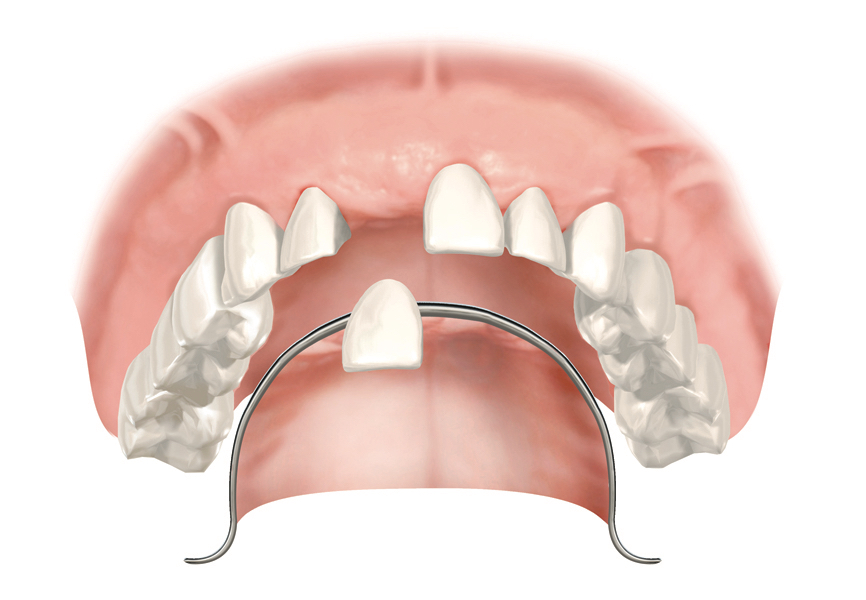
- Partial Dentures: These are used when some natural teeth remain. They usually consist of replacement teeth attached to a pink or gum-colored plastic base, which is sometimes connected by a metal framework that holds the denture in place in the mouth.
Advantages and Disadvantages
The most significant advantage of dentures is that they are non-invasive and generally the most cost-effective option upfront. They can restore the look of a full smile quickly.
However, dentures come with functional limitations. They serve as a replacement for aesthetics but provide much less chewing power than implants or natural teeth. Lower dentures, in particular, can be prone to slipping or clicking while speaking or eating. They also require daily removal for cleaning and soaking. Like bridges, they do not prevent bone loss in the jaw.
The Process
Creating dentures involves a series of appointments to ensure a proper fit. The dentist takes impressions and measurements of your jaw relations. A “try-in” model is often created in wax to check the fit and appearance before the final denture is cast. Once delivered, you may need follow-up adjustments to eliminate sore spots as your mouth gets used to the appliance.
Making the Comparison
Choosing between these three options usually comes down to a balance of four factors: durability, aesthetics, procedure time, and budget.
Durability and Stability
Implants are the clear winner here. They are permanent fixtures that function exactly like natural teeth. Bridges generally last 5 to 15 years before needing replacement, while dentures may need relining or replacement every 5 to 8 years due to changes in the shape of the mouth.
Aesthetics
All three options can provide a visually pleasing result. Modern ceramics allow bridges and implants to blend seamlessly with natural teeth. High-quality dentures can also look very realistic, though low-quality versions may look artificial.
Maintenance
Implants are maintained just like real teeth—brushing and flossing. Bridges require special floss threaders to clean underneath the false tooth. Dentures require the most maintenance, involving nightly removal, soaking, and specialized cleaning pastes.
Cost Considerations
This is often the deciding factor. Dentures have the lowest upfront cost. Bridges are a mid-range investment. Implants have the highest initial price tag. However, when you factor in the longevity of the solution, implants can actually be cost-effective over a lifetime. Many patients search for affordable dental implants in Winchester, VA, and while prices vary, financing plans and dental schools can sometimes offer lower-cost routes to this premium care. It is worth noting that some insurance plans cover bridges and dentures more comprehensively than implants.
Conclusion
Your smile is unique, and so are your dental needs. Factors like jawbone condition, remaining teeth, and lifestyle determine the best solution. Don’t let a missing tooth affect your health or confidence. Whether you choose implants, bridges, or dentures, restoring your smile is an investment in your quality of life. Schedule a consultation with your dentist to find the right option for you.
Keep an eye for more latest news & updates on Discover Heading!