
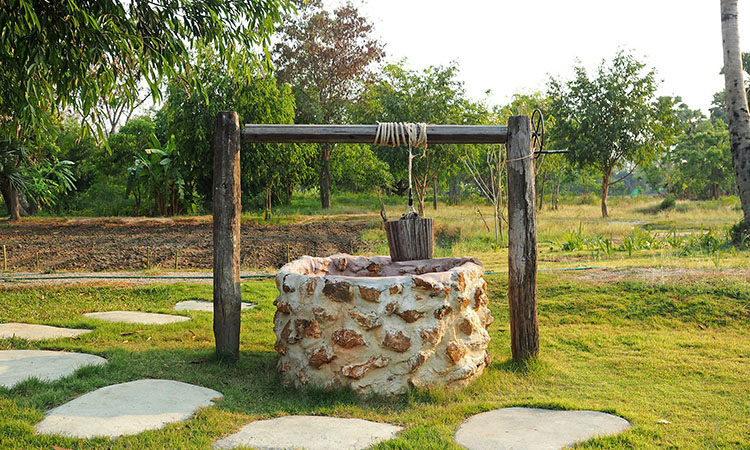
When developing land in rural or undeveloped areas, a clean and reliable water source is a top priority. Many properties, especially those far from municipal infrastructure, depend on private wells. A well can provide self-sufficiency and lower long-term costs, but not every property needs or can support one. Before drilling, it’s crucial to determine if a well is necessary and if your land is suitable. Property owners often use wells for irrigation, household needs, and livestock. Understanding the practical reasons and environmental conditions for needing a well is the first step toward making an informed decision.
Lack of Municipal Water Access
If your property isn’t connected to a municipal water system, it may be time to consider drilling a well. In remote areas, city water infrastructure often doesn’t extend to rural or newly developed properties. Without nearby water lines or hookups, a well becomes a practical solution. Even when municipal access is available, some property owners opt for a well to reduce water bills or gain more independence, especially if they expect high water usage for gardens, landscaping, or livestock.
Property Development and Long-Term Planning
If you’re planning to build a home, start a farm, or operate a business on your land, a reliable water source is essential. A well can provide the water needed for domestic uses like drinking, cooking, and cleaning. Agricultural operations also require large amounts of water for irrigation, livestock, or crop processing, making access critical in dry climates. Planning for a well ensures your land has the necessary infrastructure for future use. Since water availability can impact property value and resale potential, water well drilling in Utah is a smart long-term investment.
Natural Indicators That Suggest Groundwater
Before drilling, look for signs of groundwater. Although a professional hydrogeological survey is the most reliable method, you can start with some basic observations:
- Vegetation patterns: Lush greenery in a dry area may suggest shallow groundwater.
- Topography: Low-lying areas and valleys tend to collect water underground.
- Soil moisture: Damp soil or the presence of seeps and springs may indicate good groundwater potential.
Surface signs alone aren’t enough. A site evaluation or consulting a local water well drilling expert can give a clearer understanding of water table depth and well feasibility.
Testing for Water Quality and Quantity
Drilling a well isn’t just about hitting water; it’s about ensuring it’s safe and sufficient for use. Geology varies, impacting aquifers, rock layers, and water quality even over short distances. A well must provide adequate gallons per minute (GPM). Insufficient flow causes shortages, while poor quality can lead to health risks or costly treatment. Professional testing assesses issues such as:
- pH levels and mineral content
- Bacteria or contaminants
- Flow rate and recharge rate
Understanding these factors before investing in a well helps avoid future complications and ensures the water is suitable for its intended use.
Legal and Regulatory Considerations
Utah has specific laws for well drilling, water rights, and groundwater usage. Before drilling, property owners must secure permits and follow state guidelines, which are overseen by the Division of Water Rights. These regulations ensure that new wells do not interfere with existing water users. Water rights may already be attached to your property, or you might need to acquire new ones. Working with licensed professionals familiar with local permitting can streamline the process and ensure legal compliance.
Cost vs. Benefit of Well Installation
Installing a water well can be a significant upfront expense, but the long-term benefits often outweigh the initial investment. Property owners can achieve substantial savings on utility bills, particularly those with high water consumption. A private water source also boosts a property’s independence and value. For landowners, especially where city water is unavailable, drilling a well is often the most efficient and reliable solution. To determine if a well is suitable for you, assess your property’s conditions, anticipated usage, and legal obligations.
Keep an eye for more latest news & updates on Discover Heading!