
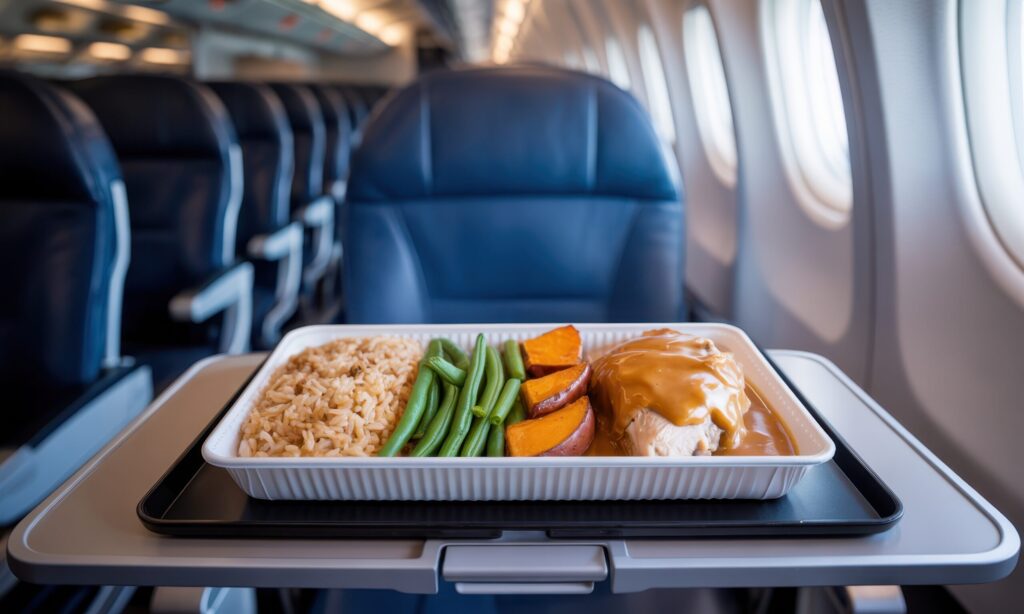
Air travel connects millions of passengers across continents every single day. While travelers often focus on flight schedules, comfort, and onboard entertainment, one essential element that significantly impacts their experience is food. Behind every well-prepared meal served at 35,000 feet is a highly organized airport catering service working around the clock to maintain strict global food standards.
From sourcing ingredients to packaging and delivery, airport caterers operate under rigorous international guidelines to ensure safety, hygiene, quality, and consistency. Let’s explore how these providers uphold global food standards while delivering exceptional inflight catering services worldwide.
1. Strict Compliance with International Food Safety Regulations
Airport caterers follow some of the most stringent food safety standards in the hospitality industry. Because airline food is prepared in large volumes and served across international borders, compliance is non-negotiable.
Leading airport catering service providers adhere to:
- HACCP (Hazard Analysis and Critical Control Points) systems
- ISO 22000 Food Safety Management Standards
- Local health authority regulations
- International aviation catering guidelines
These frameworks ensure that every stage—from ingredient procurement to meal loading—is carefully monitored. Critical control points such as temperature checks, cross-contamination prevention, and allergen management are systematically documented and audited.
Regular internal and third-party inspections help maintain transparency and accountability.
2. Controlled Ingredient Sourcing and Supplier Audits
High-quality food begins with high-quality ingredients. Airport catering service providers maintain strict supplier approval processes. Vendors must meet global food safety certifications before being authorized to supply raw materials.
Key practices include:
- Approved supplier lists
- Routine supplier audits
- Traceability systems for all ingredients
- Strict shelf-life and storage verification
This ensures that every ingredient used in inflight catering services can be traced back to its source if necessary. In case of recalls or quality concerns, rapid traceability prevents risks from escalating.
3. Advanced Kitchen Infrastructure and Hygiene Protocols
Airport catering kitchens resemble high-tech food production facilities rather than traditional restaurant kitchens. These large-scale production units are designed with:
- Segregated preparation zones (veg, non-veg, allergen-free, etc.)
- Temperature-controlled storage areas
- Automated cooking and blast-chilling systems
- Air filtration and contamination control systems
Staff members follow strict hygiene procedures, including mandatory handwashing protocols, protective clothing, hairnets, gloves, and health screenings. Many airport catering service providers conduct daily hygiene audits to ensure compliance.
Meals are often blast-chilled immediately after cooking to rapidly reduce temperature and prevent bacterial growth. Maintaining the cold chain is critical until the food is reheated onboard.
4. Temperature Control and Cold Chain Management
One of the biggest challenges in inflight catering services is temperature control. Food is prepared hours before takeoff and must remain safe throughout handling, storage, and loading.
Airport caterers maintain strict cold chain management systems:
- Continuous temperature monitoring devices
- Refrigerated transport vehicles
- Insulated meal carts
- Digital tracking systems
Temperature logs are maintained at every stage. If readings fall outside acceptable limits, corrective actions are taken immediately. This meticulous monitoring ensures food remains safe for consumption even after long-haul flights.
5. Staff Training and Certification Programs
The human factor plays a major role in maintaining global food standards. Airport catering service providers invest heavily in employee training programs.
Training includes:
- Food safety and hygiene certification
- Allergen awareness
- Cross-contamination prevention
- Cultural food handling practices
- Emergency food recall procedures
Regular refresher courses ensure staff remain updated on evolving global regulations. Well-trained employees reduce the risk of human error and maintain consistent food quality.
6. Customization for International Routes
Flights operate across countries with diverse dietary laws and preferences. Inflight catering services must adapt while maintaining compliance.
Airport catering service providers manage:
- Halal, Kosher, Jain, Vegan, and Gluten-Free meals
- Regional cuisine adaptations
- Religious and cultural dietary requirements
- Allergen-free options
Each special meal category follows dedicated preparation areas and separate handling procedures to prevent contamination. Strict labeling and documentation further ensure accuracy.
This level of precision ensures passengers receive meals that are both safe and culturally appropriate.
7. Quality Assurance and Multiple Inspection Layers
Before meals are loaded onto aircraft, they undergo multiple quality checks. A structured quality assurance process includes:
- Visual inspection
- Portion size verification
- Packaging integrity checks
- Label accuracy confirmation
- Temperature re-verification
Supervisors and quality managers review production batches. Many airport catering service facilities also conduct microbiological testing to ensure food safety standards are consistently met.
Only after passing all checks are meals cleared for aircraft loading.
8. Secure Packaging and Tamper-Proof Handling
Food safety extends beyond preparation. Secure packaging plays a vital role in maintaining hygiene and preventing tampering.
Inflight catering services use:
- Sealed containers
- Tamper-evident packaging
- Clearly labeled meal trays
- Barcoded tracking systems
These measures ensure that meals remain intact from kitchen to cabin. Security is especially important given aviation’s high-risk operational environment.
9. Technology Integration and Digital Monitoring
Modern airport catering service providers leverage technology to enhance food safety and efficiency. Digital systems monitor:
- Inventory management
- Expiry tracking
- Temperature logs
- Production scheduling
- Flight-specific customization
Advanced data analytics help predict demand, minimize food waste, and maintain quality consistency. Real-time tracking systems ensure accountability across every stage of production.
Technology reduces manual errors and enhances compliance with international standards.
10. Sustainability and Environmental Responsibility
Global food standards now include sustainability practices. Airport catering service providers are increasingly focusing on:
- Reducing food waste
- Sustainable sourcing
- Eco-friendly packaging
- Efficient water and energy usage
Many inflight catering services implement portion control systems and surplus redistribution programs to minimize waste. Sustainable practices not only protect the environment but also enhance operational efficiency.
11. Crisis Management and Contingency Planning
The aviation industry operates under unpredictable conditions, including flight delays, schedule changes, and emergencies. Airport catering service providers maintain contingency plans to handle sudden disruptions without compromising food safety.
Backup kitchens, standby meal stocks, and rapid response teams ensure smooth operations. Strict protocols prevent compromised food from being served during unexpected delays.
12. Continuous Improvement and Global Benchmarking
Maintaining global food standards is not a one-time effort. Airport catering service providers constantly benchmark their processes against international best practices.
They regularly:
- Update safety protocols
- Invest in new equipment
- Conduct performance audits
- Implement customer feedback systems
Airlines also conduct their own quality evaluations, ensuring inflight catering services meet brand expectations and passenger satisfaction standards.
Conclusion
Delivering safe, high-quality meals at 35,000 feet is a complex operation that requires precision, discipline, and global compliance. An airport catering service must manage stringent food safety protocols, advanced kitchen infrastructure, temperature control systems, and highly trained staff to maintain international standards.
From sourcing ingredients to final aircraft loading, every step is carefully monitored. Inflight catering services operate within a tightly regulated environment where even minor deviations can have significant consequences.
Ultimately, the success of airline dining experiences depends on the seamless coordination between airport caterers, airlines, and regulatory bodies. Through rigorous quality assurance, technology integration, and continuous improvement, airport catering service providers ensure that passengers worldwide enjoy safe, delicious, and culturally appropriate meals — no matter where their journey takes them.
Stay in touch to get more updates & news on Discover Heading!