
Shipping drums play a vital role in transporting products like hazardous chemicals and food-grade syrups globally. Choosing the right drum material—steel, plastic, or fiber—is crucial for budget, safety compliance, and environmental impact. Selecting an improper container can result in leaks, spoilage, or fines.
Steel Drums: The Heavy-Duty Standard
Steel drums have been the backbone of industrial shipping for over a century. Known for their sheer strength and reliability, they are often the first choice for hazardous materials and heavy-duty applications.
Properties and Advantages
The primary advantage of steel is durability. Carbon steel drums are exceptionally resistant to physical impact, fire, and extreme temperatures. This makes them ideal for transporting flammable liquids or materials that might be exposed to rough handling during transit.
Steel is also non-permeable. Unlike some plastics, steel does not allow gases to pass through its walls, ensuring that volatile substances remain contained and sensitive products aren’t contaminated by outside odors or moisture. Furthermore, steel drums are hygienic and easy to sanitize, especially when lined with specialized coatings like phenolic or epoxy linings.
Disadvantages
The biggest drawback of steel is weight. A standard 55-gallon steel drum is significantly heavier than its plastic or fiber counterparts, which can increase shipping costs, particularly for air freight or LTL (less-than-truckload) shipments.
Susceptibility to corrosion is another factor. While coatings help, steel can eventually rust if exposed to moisture or corrosive substances without proper protection. Additionally, steel drums are prone to denting. While a dent might not cause a leak, it can compromise the structural integrity of the drum or make it difficult to stack.
Plastic Drums: The Versatile Alternative
Plastic drums, typically made from high-density polyethylene (HDPE), have gained massive popularity due to their versatility and chemical inertness. They are the modern workhorses for a wide variety of liquids and solids.
Properties and Advantages
The standout feature of plastic drums is their chemical resistance. HDPE is naturally resistant to acids, alkalis, and many other corrosive materials that would eat through steel. This makes them the safer option for shipping harsh cleaning agents or industrial chemicals.
They are also lightweight. Being lighter than steel reduces tare weight, which can lead to freight savings over time. Unlike steel, plastic doesn’t dent; it bounces back. It won’t rust, meaning these drums can be stored outdoors in rain or humidity without degrading. With services like tote reconditioning, they can be reused many times. Many plastic drums are also UV-stabilized, allowing for prolonged outdoor storage.
Disadvantages
Plastic isn’t suitable for everything. It has a lower heat tolerance than steel and can melt or deform under extreme temperatures or in the event of a fire. They can also be permeable to certain solvents, meaning some chemicals can slowly migrate through the plastic wall, leading to product loss or environmental contamination (a phenomenon known as permeation).
Additionally, while recyclable, the recycling process for industrial plastic can be more complex than metal, depending on what materials were stored inside.
Fiber Drums: The Lightweight Eco-Choice
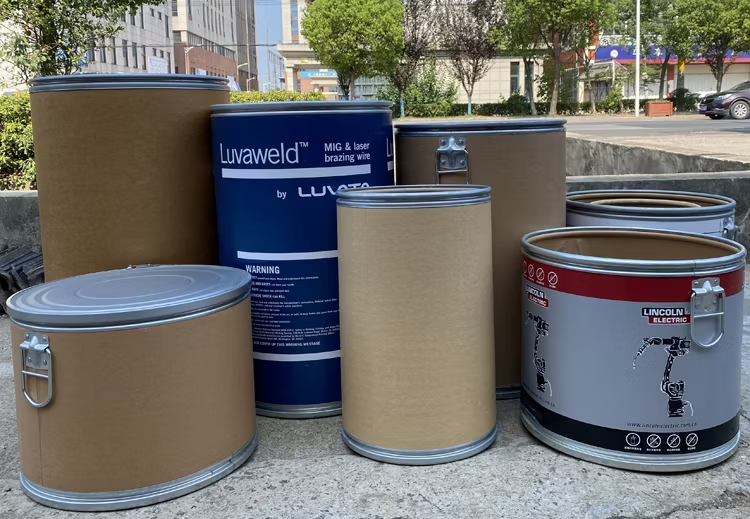
Fiber drums are constructed from heavy-duty kraft paper wound into a cylinder, often with a metal or plastic chime (rim) for reinforcement. They are frequently overlooked but offer unique benefits for specific sectors.
Properties and Advantages
Fiber drums are incredibly lightweight—the lightest of the three options. This translates to the lowest shipping costs per unit weight. They are surprisingly strong and can be stacked efficiently.
One of their biggest selling points is customizability. Fiber drums can be easily cut to different heights or diameters during manufacturing without the need for expensive retooling. They are also easily disposable and recyclable (provided they haven’t held hazardous waste), making them a favorite for companies focusing on sustainability.
Disadvantages
The major limitation of fiber drums is moisture sensitivity. Because they are paper-based, they can absorb water, which weakens the structure. They cannot be stored outdoors without significant protection.
They are also generally restricted to dry or semi-solid goods. While some fiber drums have liquid-resistant liners, they are not the standard vessel for transporting bulk liquids. They also lack the impact resistance of steel or the chemical resistance of HDPE.
Comparison at a Glance
To help visualize the differences, here is a breakdown of how these materials stack up against key selection criteria.
| Feature | Steel Drums | Plastic Drums (HDPE) | Fiber Drums |
| Durability | High (Impact & Fire Resistant) | Medium (Resilient but melts) | Low to Medium |
| Weight | Heavy | Medium | Light |
| Chemical Resistance | Good (with liners) | Excellent (Acids/Bases) | Low (Dry goods mostly) |
| Weather Resistance | Low (Can rust) | High (UV & Rust proof) | Low (Absorbs moisture) |
| Cost | High | Moderate | Low |
| Ideal Contents | Flammables, Solvents | Corrosives, Foods | Powders, Dry Goods |
Ideal Applications for Each Material
Choosing the right drum depends entirely on what you are putting inside it. Here is where each material shines in the real world.
Steel: Flammables and Solvents
Steel is the go-to for the petroleum and chemical industries. If you are shipping gasoline, solvents, paints, or lubricants, steel offers the necessary fire resistance and structural integrity required by safety regulations. They are also used for shipping heavy metal parts or radioactive materials where containment is critical.
Plastic: Food and Corrosives
The food and beverage industry heavily utilizes food-grade HDPE drums for shipping flavorings, syrups, vinegars, and oils. Because plastic doesn’t rust, there is no risk of metal contamination in food products. Simultaneously, the chemical industry uses plastic drums for strong acids and bases (like hydrochloric acid or bleach) that would corrode steel containers.
Fiber: Powders and Mixes
Fiber drums are the standard for dry goods. Pharmaceutical companies use them for shipping pills or medical powders. The agricultural sector uses them for livestock feed, fertilizers, and seeds. They are also excellent for hot-melt glues and viscous materials like asphalt (when lined), as the fiber drum can be easily stripped away from the solidified product at the destination.
Conclusion
Selecting the right drum depends on chemical compatibility, transport conditions, and budget. Steel is ideal for hazardous flammables, plastic for corrosive liquids and weather resistance, and fiber for cost-effective, lightweight dry powders. Prioritizing safety, efficiency, and sustainability—through recycling or reconditioning—will strengthen your supply chain.
Stay in touch to get more updates & news on Discover Heading!