

Buying a new vehicle should bring peace of mind, but even brand-new cars can come with defects that threaten your safety and investment. From malfunctioning components to unresolved mechanical problems, car defects can become a major headache for consumers. If you find yourself grappling with ongoing vehicle issues, knowing how to respond can help you protect your purchase and assert your rights. In situations where manufacturer or dealer negotiations aren’t fruitful, speaking with a lemon law lawyer in Glendale, CA may make a significant difference in the outcome of your case.
Awareness of your consumer rights and the options available to owners of defective cars is essential. From understanding common issues to seeking legal remedies under state and federal law, informed action can speed up your path to resolution. Being proactive helps you document problems, pursue repairs, and seek compensation or replacement if necessary.
Common Car Defects
Automobiles are highly complex pieces of machinery, and even minor flaws can quickly lead to larger reliability or safety problems. Vehicle defects range from inconvenient electrical failures to critical safety threats that endanger everyone on the road. The National Highway Traffic Safety Administration (NHTSA) often reports that manufacturer recalls are issued for:
- Engine Problems: Chronic stalling, unexplained overheating, or unusually high oil use can signal defective engine components that warrant swift action. These issues may escalate if left untreated.
- Transmission Failures: Trouble changing gears, gear slippage, or total transmission breakdowns raise both safety and financial concerns, sometimes stranding owners unexpectedly.
- Brake System Failures: Persistent brake squealing, a soft brake pedal, or other anomalies can signal a risk for serious accidents—brake system reliability is non-negotiable.
- Electrical System Malfunctions: When dashboard warning lights, sensors, or other electronic features fail, it can affect everything from anti-lock brakes to airbag deployment.
- Steering Issues: Unresponsive steering or the sensation of the car pulling to one side is not merely a nuisance, but a possible safety hazard requiring immediate attention.
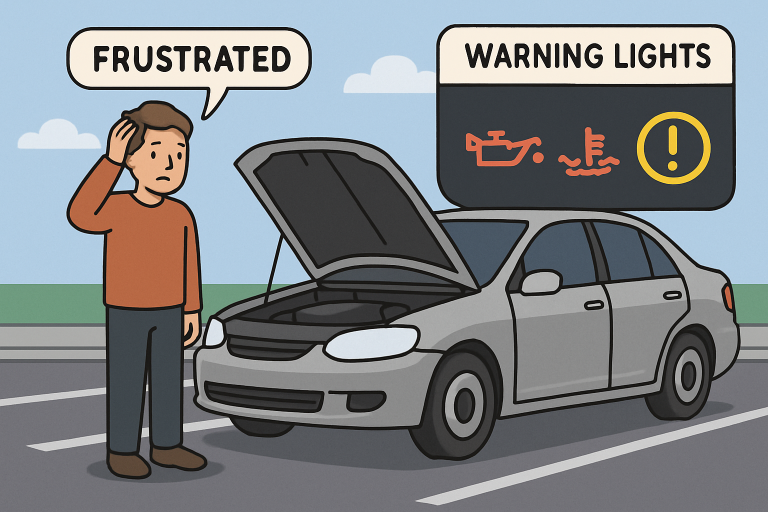
Understanding the risks tied to each type of defect will help you spot trouble early and gather the information you need to address serious problems with your vehicle. For more information, refer to the NHTSA’s recall database.
Legal Options for Defective Vehicles
If you’re confronted with persistent car problems that aren’t resolved after reasonable repair attempts, several legal avenues are available:
- Warranty Claims: Manufacturers typically provide warranties with new vehicles that outline the defects covered and the repair or replacement processes. Keep your warranty booklet and review what is included.
- Lemon Laws: State lemon laws often require carmakers to repurchase or replace vehicles that are persistently defective. Lemon laws usually kick in after several failed repair attempts or the vehicle spends a certain amount of time in the shop.
- Magnuson-Moss Warranty Act: This federal law reinforces consumer rights by requiring manufacturers to comply with warranties and enabling consumers to recover extra costs and attorney’s fees if they prevail in court. More details can be found in the FTC’s Businessperson’s Guide to Federal Warranty Law.
Understanding Lemon Laws
What is Considered a “Lemon”?
A “lemon” is usually defined as a new or newly leased vehicle with serious, irreparable defects that significantly affect its use, value, or safety. To qualify under lemon law protections, the same problem must typically persist despite multiple repair attempts within a set time frame or mileage limit.
Time and Mileage Restrictions
Most states specify time and mileage cutoffs for lemon law claims, meaning defects discovered outside those windows may not qualify. Review your state’s requirements so you don’t inadvertently miss your opportunity to file a claim.
Arbitration and Lawsuits
Some state laws mandate arbitration with the manufacturer before legal action can be taken. Arbitration may provide a faster resolution than going to court, though consumers should still carefully document all steps and results.
Steps to Take If You Have a Defective Car
- Document Everything: Maintain detailed records of each issue, each visit to the dealer or mechanic, and all correspondence with the manufacturer or dealership.
- Promptly Notify the Dealer or Manufacturer: Bring all problems to the seller’s attention in writing as soon as possible and give them a reasonable opportunity to repair the defect.
- Save All Repair Orders and Communications: Keep a folder with invoices, repair orders, and receipts to support your case if legal action becomes necessary.
- Review Your Legal Rights: Familiarize yourself with relevant lemon laws, warranty terms, and federal protections.
- Consult a Legal Professional: Consider talking to a consumer protection attorney, especially if the dealer or manufacturer resists making things right.
Consumer Rights and Protections
Americans enjoy a variety of legal protections when it comes to defective vehicles, enforced by both federal and state agencies:
- The Federal Trade Commission (FTC): Oversees automotive advertising and enforcement actions against unfair dealer practices.
- State Consumer Protection Laws: Individual states impose additional rules to protect car buyers against fraud or misrepresentation.
- Right to Repair: Recent legislation secures consumers’ right to repair their own vehicles or choose non-dealer facilities, without voiding their warranty.
Seeking Professional Assistance
- Consumer Protection Attorneys: A lawyer who specializes in lemon law or warranty disputes can clarify your options, help prepare your claim, and negotiate with the opposing party.
- State Attorney General’s Office: Many state AGs offer mediation with dealerships or advocate for consumers in automotive disputes.
- Certified Automotive Experts: If you end up in arbitration or court, an independent expert can assess your vehicle and provide crucial testimony about the nature and impact of the defect.
Preventive Measures When Buying a Car
- Do Your Research: Check reports and owner reviews for common complaints regarding the make and model you’re considering purchasing.
- Look for Recalls: Before finalizing your purchase, verify the VIN for any outstanding recalls that could signal recurring problems.
- Get a Pre-Purchase Inspection: Hiring a trusted mechanic to inspect the vehicle can spot hidden defects and save you trouble down the road.
- Understand the Warranty: Get a clear explanation of your warranty coverage, its limitations, and timeframes before signing any agreement.
Conclusion
A defective car can put your safety, finances, and peace of mind at risk. By educating yourself about common issues, knowing your legal rights, and promptly documenting every problem, you put yourself in the best possible position to reach a satisfactory resolution. Should you find informal communications unsuccessful, it’s wise to seek legal advice and advocate for your rights using all available remedies.
Keep an eye for more latest news & updates on Discover Heading!