
A smile is one of the first things people notice, but many feel self-conscious about theirs. The desire for a better smile is about boosting self-assurance, and modern dental technology has made achieving it easier than ever. Treatments are now faster, less invasive, and more precise than traditional methods like metal braces or invasive surgeries.
The Foundation: Traditional Cosmetic Dentistry
Before diving into the latest innovations, it is helpful to understand where we started. Traditional methods have served patients well for decades and remain effective solutions for many.
Metal Braces: The gold standard for straightening teeth for nearly a century. While highly effective for complex alignment issues, the aesthetic drawback of “metal mouth” and the discomfort of wires have always been significant hurdles for adults.
Tray Whitening: Traditional whitening often involved sleeping with messy trays filled with bleaching gel for weeks. While effective, this method frequently led to gum irritation and tooth sensitivity, making the process uncomfortable for many users.
Porcelain Veneers: To fix chips or severe discoloration, traditional veneers required grinding down a significant portion of the natural tooth structure to place a cap over it. While the results were permanent and beautiful, the invasive nature of the preparation was a deterrent.
These methods are still in use, but modern technology has provided alternatives that prioritize patient comfort, speed, and tissue preservation.
A Deep Dive into Modern Enhancement Methods
Today’s cosmetic dentistry focuses on minimally invasive techniques that yield maximum aesthetic impact. Here are four of the most popular modern methods reshaping smiles.
1. Invisalign and Clear Aligners
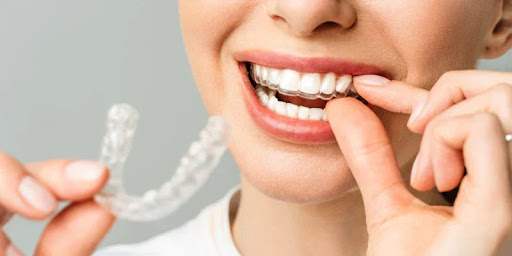
Perhaps the most significant shift in orthodontics has been the move from fixed metal appliances to clear, removable aligners. Invisalign and similar brands have democratized teeth straightening, making it an attractive option for working professionals who want to improve their alignment without the visual distraction of braces.
The Process:
The journey begins with a 3D scan of your teeth, eliminating the need for gooey, uncomfortable physical impressions. The process utilizes advanced orthodontic computer software to map out the exact movement of your teeth from their current position to the final desired result. You can often see a digital preview of your new smile before you even commit to the treatment.
Benefits and Suitability:
The primary advantage is aesthetics; the aligners are virtually invisible. They are also removable, meaning you can eat whatever you want and maintain better oral hygiene compared to traditional braces. While originally designed for minor adjustments, aligner technology has advanced enough to treat complex bite issues and severe crowding.
2. Laser Teeth Whitening
Time is a luxury many people don’t have. Modern laser teeth whitening addresses the inefficiency of at-home trays by delivering dramatic results in a single office visit.
How It Works:
A protective barrier is applied to the gums to prevent irritation. Then, a high-concentration bleaching gel is applied to the teeth. The “magic” happens when a specialized laser or LED light is directed at the gel. The light energy activates the whitening agents, allowing them to penetrate the enamel faster and more effectively than gel alone.
Advantages:
The most obvious benefit is speed. In about an hour, your teeth can lighten by several shades. Furthermore, because the process is supervised by a professional and uses protective measures, the risk of sensitivity and gum burn is significantly lower than with over-the-counter kits.
3. Gum Contouring
Sometimes, a smile isn’t about the teeth at all—it’s about the frame. A “gummy smile,” where excessive gum tissue covers the teeth, can make teeth appear short or boxy. Conversely, receding gums can make teeth look unhealthily long.
The Procedure:
Historically, gum reshaping involved scalpels, stitches, and a painful recovery. Modern gum contouring utilizes soft-tissue lasers. The dentist uses the laser to gently vaporize excess gum tissue, sculpting the gum line to reveal more of the tooth’s surface. The laser cauterizes as it cuts, which minimizes bleeding and drastically reduces recovery time.
Aesthetic Impact:
The result is instant. By creating a more symmetrical and balanced gum line, the teeth immediately look longer and more proportional. It provides a harmonious balance between the pink of the gums and the white of the enamel.
4. Composite Bonding
For those looking to fix minor imperfections without the cost or invasiveness of veneers, composite bonding is a standout solution. It is often referred to as “dental artistry” because the dentist sculpts the material directly onto the tooth.
Uses and Comparison with Veneers:
Bonding is ideal for repairing chipped edges, closing small gaps between teeth, or changing the shape of a tooth. Unlike veneers, which are manufactured in a lab and require the removal of healthy enamel, bonding is additive. The dentist applies a tooth-colored resin to the existing tooth, shapes it, and hardens it with a curing light.
It is generally more affordable than veneers and can be completed in a single visit. While bonding material isn’t as stain-resistant or durable as porcelain, modern resins are incredibly strong and polishable, offering a fantastic middle ground for cosmetic improvements.
Tailoring the Treatment to You
The most important aspect of modern smile enhancement is personalization. There is no longer a “one size fits all” approach. A Hollywood-white, perfectly symmetrical smile might look fantastic on one person but artificial on another.
Dentists now use Digital Smile Design (DSD) to analyze facial features, lip movement, and even personality to design a smile that fits the individual. This ensures that the size, shape, and color of the teeth complement your specific facial structure. You are part of the design process, ensuring the final result feels authentic to you.
The Future of Smile Aesthetics
The dental industry shows no signs of slowing down. Emerging technologies promise even more exciting possibilities.
- 3D Printing: We are moving toward a future where permanent crowns, bridges, and even dentures can be 3D printed chair-side in minutes rather than weeks.
- AI Diagnostics: Artificial intelligence is beginning to assist dentists in detecting cavities and bone loss earlier than the human eye, allowing for preventative aesthetics.
- Regenerative Dentistry: Research is underway to stimulate the regrowth of enamel and dentin, potentially ending the need for fillings entirely.
Conclusion
Modern dentistry has turned smile enhancement into a customizable, comfortable, and accessible aesthetic journey. Whether you want to straighten your teeth with clear aligners, brighten your enamel with lasers, or reshape your gum line, the tools are available to help you achieve your goals with minimal disruption to your life.
Keep an eye for more latest news & updates on Discover Heading!