In today’s competitive digital marketplace, businesses are constantly searching for smarter ways to retain customers and increase lifetime value. While acquiring new customers remains important, long-term profitability often depends on how effectively organizations nurture existing relationships. This is where integrating loyalty program software with a CRM system becomes a powerful strategy. By combining customer data, engagement metrics, and behavioral insights, businesses can unlock deeper intelligence and deliver highly personalized experiences.
A standalone customer loyalty tool can track rewards, points, and participation levels. Meanwhile, a CRM system manages customer interactions, sales pipelines, and communication history. When these two systems operate in silos, valuable insights remain fragmented. However, when integrated, they create a unified ecosystem that empowers businesses to make smarter, data-driven decisions.
Understanding the Role of Loyalty Program Software
Loyalty initiatives have evolved significantly over the years. What once consisted of simple punch cards or point-based rewards has now transformed into dynamic, digital platforms powered by advanced loyalty program software. Modern solutions enable businesses to track purchases, monitor engagement, automate rewards, and segment customers based on behavior.
More importantly, loyalty program software collects detailed information about customer preferences, shopping patterns, redemption behavior, and engagement frequency. This data is extremely valuable—but only when it is properly analyzed and connected to broader customer information stored in a CRM.
Without integration, marketing teams may know who earned points but not understand how loyalty behavior connects to purchase history or service interactions. Integration eliminates this blind spot.
The Power of CRM Systems
Customer Relationship Management (CRM) systems centralize data from multiple touchpoints, including emails, phone calls, website interactions, and sales transactions. CRMs help teams track leads, manage follow-ups, and analyze customer journeys.
However, many CRM systems lack in-depth loyalty engagement data. They may record purchases, but they often do not track how customers interact with rewards, promotions, or referral programs. This is where integrating a customer loyalty tool into the CRM becomes transformative.
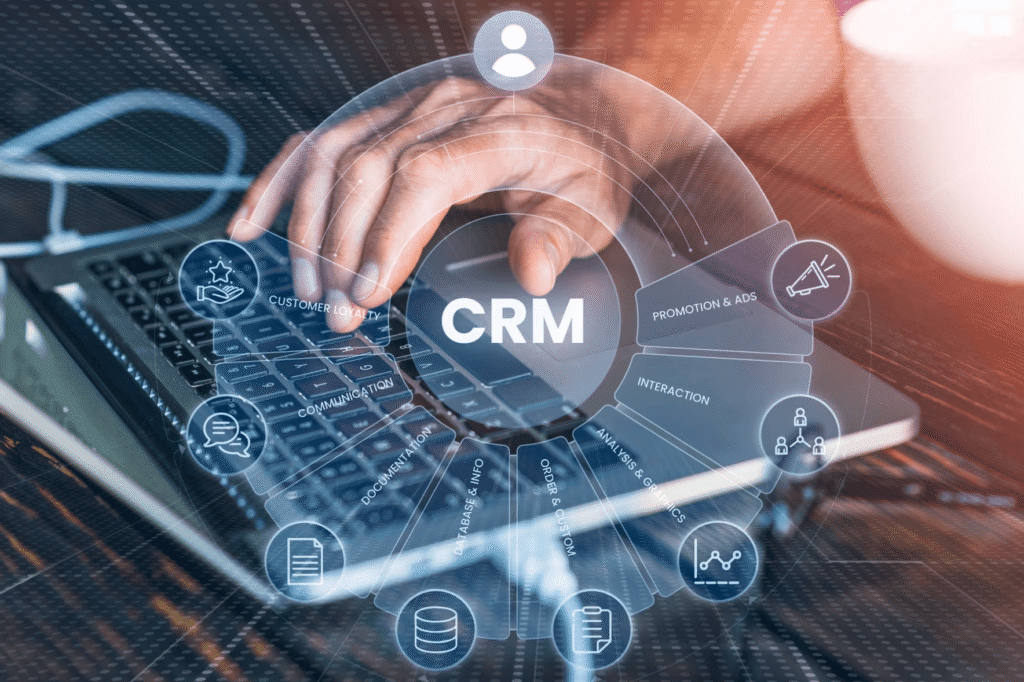
When loyalty program software feeds data directly into the CRM, businesses gain a 360-degree view of each customer. Sales, marketing, and customer service teams can see loyalty status, reward history, and engagement patterns alongside transaction and communication records.
Benefits of Integrating Loyalty Program Software with CRM
1. Unified Customer Profiles
Integration creates a single source of truth. Every customer interaction—from purchases to reward redemptions—is stored in one place. Teams can instantly see:
- Loyalty tier status
- Points balance
- Redemption history
- Engagement frequency
- Purchase behavior
This unified profile enables personalized communication and targeted campaigns that resonate with individual customers.
2. Advanced Segmentation
One of the biggest advantages of combining loyalty program software with CRM is enhanced segmentation. Businesses can create dynamic customer groups based on combined data points such as:
- High-spending loyalty members
- Customers who rarely redeem rewards
- Inactive loyalty participants
- Repeat buyers with low engagement
By leveraging CRM segmentation tools alongside loyalty data, marketers can craft tailored campaigns that increase retention and drive re-engagement.
3. Personalized Marketing Campaigns
Personalization is no longer optional—it is expected. When loyalty insights integrate with CRM systems, businesses can automate highly personalized messaging.
For example:
- Send exclusive offers to top-tier loyalty members.
- Trigger reminder emails to customers with unused rewards.
- Offer bonus points for customers who haven’t purchased recently.
A connected customer loyalty tool ensures that these campaigns are timely, relevant, and data-driven.
4. Improved Customer Retention Strategies
Retention strategies become more strategic when backed by data. CRM systems track churn signals such as declining purchase frequency or reduced engagement. When loyalty program software data is added, businesses can identify early warning signs more accurately.
For instance, if a high-value customer stops redeeming rewards or drops engagement levels, the CRM can trigger automated retention workflows. This proactive approach reduces churn and strengthens long-term relationships.
5. Better Sales Alignment
Sales teams benefit significantly from loyalty insights. When a sales representative accesses a CRM profile enriched with loyalty data, they can tailor conversations more effectively.
Knowing a customer’s loyalty tier or engagement history allows sales professionals to:
- Offer relevant upsells
- Provide exclusive incentives
- Strengthen relationship-building efforts
Integration ensures that loyalty efforts directly support revenue growth.
6. Data-Driven Decision Making
Analytics become more powerful when loyalty and CRM data are combined. Businesses can analyze correlations between reward participation and purchasing behavior. They can identify which promotions drive the highest revenue and which customer segments generate the most lifetime value.
A robust loyalty program software platform integrated with CRM enables detailed reporting dashboards that provide insights such as:
- ROI of loyalty campaigns
- Impact of rewards on repeat purchases
- Lifetime value by loyalty tier
- Redemption patterns and trends
These insights empower leadership teams to refine strategy continuously.
Technical Considerations for Integration
Successful integration requires careful planning. Businesses should evaluate:
- API compatibility between systems
- Real-time data synchronization
- Data security and compliance standards
- Customization capabilities
Cloud-based solutions often simplify integration through pre-built connectors or middleware platforms. It is essential to ensure that data flows seamlessly in both directions so that updates in the CRM reflect in the loyalty system and vice versa.
Additionally, companies should prioritize clean data management. Duplicate records or inconsistent formatting can undermine the effectiveness of integration efforts.
Overcoming Common Challenges
Despite its benefits, integration can present challenges:
Data Silos: Legacy systems may lack API support.
Team Resistance: Employees may be hesitant to adopt new workflows.
Complex Implementation: Integration may require technical expertise.
To overcome these obstacles, organizations should invest in training, choose scalable platforms, and work with experienced technology partners. A phased rollout approach can also minimize disruption.
Real-World Impact of Integration
Businesses that successfully integrate loyalty program software with CRM often experience measurable improvements, including:
- Increased customer retention rates
- Higher repeat purchase frequency
- Greater campaign conversion rates
- Enhanced customer satisfaction
By centralizing data, companies gain deeper insights into what motivates customers and how loyalty initiatives influence buying decisions.
For example, a retail brand may discover that customers who redeem rewards within the first 30 days are twice as likely to make repeat purchases. With CRM automation, they can encourage early redemption through targeted messaging, boosting long-term value.
Future of Integrated Loyalty and CRM Systems
As artificial intelligence and predictive analytics continue to evolve, integration will become even more powerful. Future systems will use combined data to:
- Predict churn before it happens
- Recommend personalized reward structures
- Automate next-best-offer suggestions
- Optimize loyalty tiers dynamically
A sophisticated customer loyalty tool connected to CRM will not just track engagement—it will anticipate customer needs and drive proactive strategies.
Conclusion
Integrating loyalty program software with CRM is no longer a luxury; it is a necessity for businesses seeking sustainable growth. By breaking down data silos and unifying customer insights, organizations can create personalized experiences that foster loyalty and increase revenue.
A well-integrated customer loyalty tool enhances segmentation, strengthens retention strategies, improves marketing precision, and supports sales alignment. Most importantly, it transforms raw data into actionable intelligence.
In an era where customer expectations are higher than ever, businesses that leverage integrated systems will stand out. By combining the power of loyalty program software with the intelligence of CRM platforms, companies can build meaningful relationships, deepen engagement, and drive long-term success.
Stay in touch to get more updates & news on Discover Heading!