

Modern organizations are reshaping their recruitment strategies by embracing data-driven hiring processes. In a landscape where efficiency, impartiality, and agility are crucial, integrating advanced technologies such as artificial intelligence (AI) and analytics has become essential. By harnessing AI in hiring, companies can optimize decision-making, streamline talent acquisition, and enhance the overall candidate experience.
This digital transformation is helping organizations not just speed up hiring but also minimize costs, reduce bias, and ultimately ensure a better fit between employees and roles. The momentum behind AI-powered hiring stems from its ability to automate repetitive tasks, freeing recruiters for more strategic work and improving labor market outcomes for both job seekers and employers.
The Rise of AI in Recruitment
Artificial intelligence is revolutionizing how organizations attract and assess talent. The traditional recruitment model, characterized by manual resume screening and labor-intensive sourcing, has given way to a digital-first approach. AI recruitment technology now automates scheduling, screens thousands of applications in seconds, and surfaces ideal matches based on both hard and soft skills.
With algorithms capable of analyzing data from multiple sources, companies experience up to 40% faster screening and dramatically reduce admin overhead. This transformation not only boosts productivity for HR teams but also helps bridge labor-market gaps by matching high-potential candidates with the right opportunities. Smart automation is fast becoming indispensable to competitive recruitment strategies.
Enhancing Candidate Experience
Robust candidate experience is quickly becoming a differentiator in employer branding. AI-powered tools, including chatbots and virtual assistants, are reshaping how job seekers interact with employers. These tools offer immediate answers to common questions, provide application guidance, and share status updates, creating a seamless and engaging process for candidates.
Job seekers now expect real-time interactions with employers. According to industry studies, over 65% of candidates use AI-driven chatbots during the application process. These digital solutions not only keep applicants informed but also foster a positive perception of the employer’s commitment to innovation and efficiency, helping organizations build stronger talent pipelines.
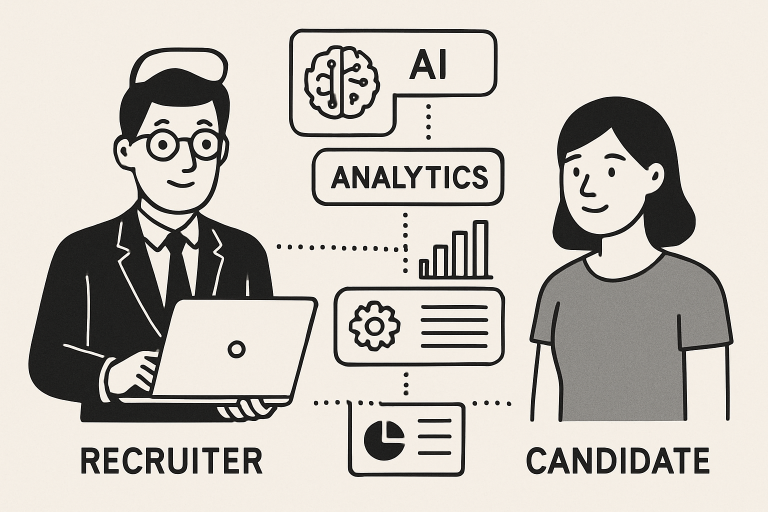
Predictive Analytics for Better Matching
Predictive analytics further advances the recruitment process by moving beyond simple keyword matching. Instead, they leverage insights from previous hiring outcomes, performance reviews, and employee churn data to forecast which candidates are likely to succeed and thrive.
This analytical approach brings nuance to talent matching, considering not only technical skills but also culture fit, adaptability, and potential career trajectories. By offering a deeper, more holistic view of candidates, predictive models drive higher retention rates and maximize workforce productivity.
Reducing Bias and Promoting Diversity
Unconscious bias has long undermined equitable hiring processes. AI-driven recruiting platforms, when properly designed and regularly audited, can mitigate human bias by focusing solely on qualifications, experience, and predictive success markers. This data-first approach refines candidate shortlists using objective metrics and anonymized screening techniques.
Still, organizations must remain vigilant. If past data contains inherent biases, AI systems may inadvertently perpetuate them. Regular algorithmic audits, transparency in data use, and a commitment to fairness are vital. Companies investing in truly unbiased recruitment technologies are paving the way for diverse, inclusive, and high-performing workplaces.
Cost Savings and Efficiency
Cost control is crucial in today’s economic landscape, and data-driven hiring offers powerful savings opportunities. Automating repetitive tasks, such as resume review and interview scheduling, reduces HR teams’ workload, while faster hiring cycles minimize costly vacancies and lost productivity. Many companies report reductions of 30–50% in time-to-hire, translating into substantial bottom-line improvements.
Moreover, AI’s ability to target only the best-fit applicants reduces the expenses associated with turnover. Streamlining hiring operations not only delivers financial savings but also enables greater agility in responding to business demands.
Challenges and Considerations
Despite its promise, widespread AI adoption poses significant challenges. Data privacy and security are chief concerns, as hiring platforms process sensitive candidate information. Organizations need rigorous compliance protocols and must communicate transparently with applicants about how their data will be used.
Initial investments in AI hiring infrastructure can be substantial, particularly for small and mid-sized businesses. Unchecked, the risk of algorithmic bias may also damage an employer’s reputation and accountability. HR leaders must balance the pursuit of efficiency with ethical considerations, constantly reviewing both technology and practices to maintain trust with candidates and stakeholders.
Future Trends in Data-Driven Hiring
The future of recruitment will be defined by further advances in AI and analytics. Natural language processing (NLP) technologies will enable the assessment of soft skills and communication styles through real-time analysis of text and video interviews. Video interview platforms are already beginning to analyze non-verbal cues such as tone and body language, providing deeper talent insights.
Gamification is another emerging trend, applying interactive assessments to measure candidate skills, problem-solving abilities, and potential cultural fit. As these innovations mature, they will enable more nuanced, engaging, and highly personalized recruitment journeys for candidates and employers alike.
Conclusion
Data-driven hiring is fundamentally transforming the recruitment industry, empowering organizations to operate more efficiently, deliver outstanding candidate experiences, and build diverse, high-performing teams. As technology continues to evolve, the organizations that invest in AI and analytics today will be best positioned to win the competition for talent in the years to come.
Keep an eye for more latest news & updates on Discover Heading!