
The open road has always been a symbol of freedom, adventure, and the joy of exploring new places. In recent years, recreational vehicles (RVs) have made this dream more accessible, offering travelers the convenience of bringing their home wherever they go. Whether you are planning weekend getaways, long-term travel, or a seasonal escape, understanding the different types of RVs can help you make an informed choice that suits your lifestyle and travel needs. For anyone considering an RV, resources like Owensboro RV provide valuable insights into different types of RVs, their features, and their suitability for various adventures.
RVs are diverse in design, function, and size, and each type comes with unique advantages. Choosing the right one requires a balance between comfort, maneuverability, budget, and the intended travel style. In this article, we’ll explore the main categories of RVs, including motorhomes, towable trailers, and specialty vehicles, to help you understand their differences and make an informed decision.
Motorhomes: The All-in-One Travel Solution
Motorhomes are self-propelled RVs that combine transportation and living space in a single vehicle. They are ideal for travelers who prefer convenience and flexibility, as there is no need for a separate tow vehicle. Motorhomes are generally divided into three classes: Class A, Class B, and Class C, each with distinct characteristics.
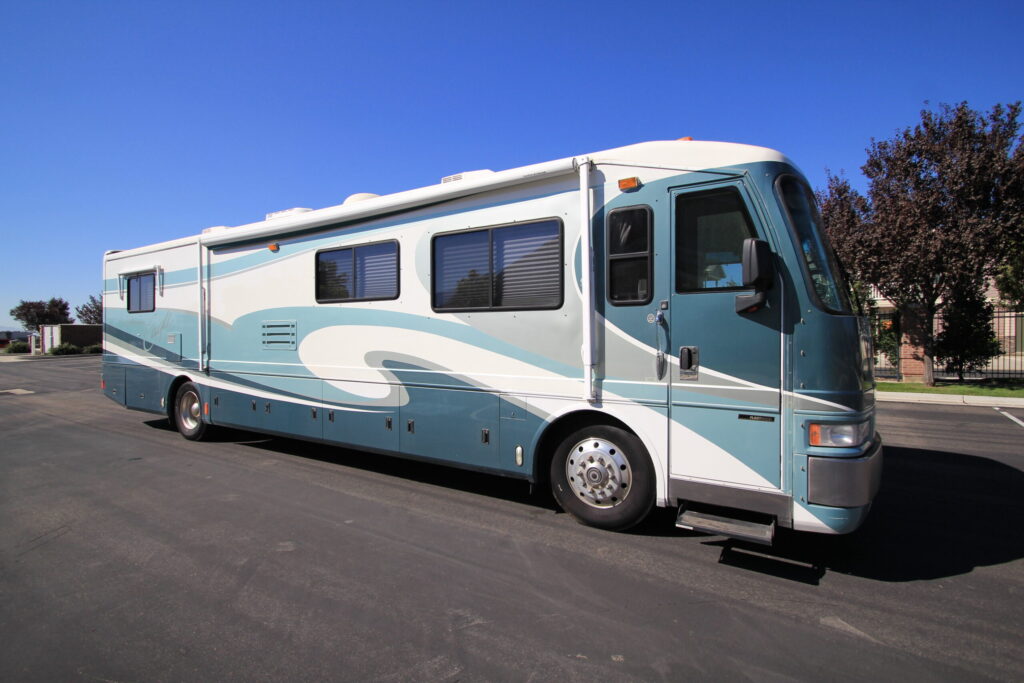
Class A motorhomes are the largest and most luxurious, often resembling buses in size and design. They offer spacious interiors with full kitchens, bathrooms, and multiple sleeping areas. These RVs are perfect for extended travel or full-time living, providing the comfort of a small apartment on wheels. However, their size can make them challenging to maneuver in tight spaces or congested cities, and they require more fuel compared to smaller options.
Class B motorhomes, also known as camper vans, are compact and highly maneuverable. They are ideal for solo travelers, couples, or small families who want the convenience of a motorhome without the bulk of a Class A. While space is limited, many Class B motorhomes are efficiently designed with multifunctional furniture, compact kitchens, and convertible sleeping areas.
Class C motorhomes strike a balance between the spaciousness of Class A and the agility of Class B. They typically feature a cab-over design that provides extra sleeping or storage space. These RVs are versatile, accommodating families while remaining relatively easy to drive.
Motorhomes offer the advantage of instant mobility, eliminating the need to hitch or unhitch a trailer. They are particularly suitable for travelers who plan to move frequently, explore national parks, or visit urban destinations.
Travel Trailers: Flexibility Meets Comfort
Travel trailers are non-motorized RVs designed to be towed by a separate vehicle, usually a truck or SUV. Unlike motorhomes, travel trailers provide the flexibility to detach your living space from your towing vehicle, allowing you to explore destinations without having to pack up your RV.
Travel trailers come in various sizes, from compact teardrop trailers to larger models with multiple slide-outs. Slide-outs expand the interior living space, providing more room for kitchens, dining areas, and bedrooms. Many travel trailers are equipped with full bathrooms, kitchen appliances, and entertainment systems, making them a comfortable option for family vacations.
Lightweight travel trailers are ideal for smaller vehicles, offering ease of towing and maneuverability. On the other hand, larger models can accommodate families or groups, providing the space and amenities necessary for extended stays. With a travel trailer, you have the freedom to leave the vehicle at a campsite and explore surrounding areas without sacrificing your home base.
Travel trailers appeal to those who want the comforts of home on the road but also value the flexibility of separate vehicle use. They can also be more cost-effective than motorhomes, both in terms of initial purchase price and ongoing maintenance.
Fifth-Wheel Trailers: Luxury and Stability
Fifth-wheel trailers are a specialized type of towable RV designed to attach to the bed of a pickup truck using a fifth-wheel hitch. This design offers superior stability while towing, making it a popular choice for larger and heavier trailers. Fifth-wheel trailers often feature multi-level layouts, with the elevated front section commonly housing the master bedroom.
These trailers provide generous living space, including full kitchens, spacious bathrooms, and multiple sleeping areas. They are ideal for travelers seeking a high level of comfort, long-term stays, or even seasonal living. The hitch design allows for better weight distribution, reducing sway and making towing safer compared to traditional travel trailers.
While fifth-wheel trailers require a suitable tow vehicle and some experience in hitching, their stability, space, and amenities make them a top choice for families, retirees, and long-term RVers. They offer the feeling of a permanent home while retaining the mobility and freedom that define RV travel.
Pop-Up Campers and Truck Campers: Compact and Convenient
For travelers seeking a lightweight and compact RV, pop-up campers and truck campers provide practical solutions. Pop-up campers, also known as foldable or tent trailers, collapse into a low-profile shape for easy towing and storage. When set up, they expand into comfortable living spaces with sleeping areas, small kitchens, and basic amenities. Pop-up campers are cost-effective, fuel-efficient, and suitable for weekend trips or casual adventures.
Truck campers are mounted directly onto the bed of a pickup truck, offering a compact and mobile RV experience. They are perfect for off-road adventures or locations where larger RVs cannot access. Despite their size, modern truck campers often feature small kitchens, bathrooms, and convertible sleeping spaces. Their versatility allows travelers to tackle rough terrain while maintaining the convenience of a home on wheels.
Both pop-up and truck campers appeal to outdoor enthusiasts, adventure travelers, and those who value mobility over extensive living space. They are also excellent options for individuals or couples who prioritize affordability and ease of storage.
Specialty RVs: Class-Specific Innovations
Beyond traditional motorhomes and towable trailers, there is a growing variety of specialty RVs designed to meet unique travel needs. Toy haulers, for example, combine living space with a garage area for transporting motorcycles, ATVs, or bicycles. This hybrid design appeals to adventure seekers who want to bring their hobbies along for the journey.
Other specialty RVs include expedition vehicles, which are heavily modified trucks or vans equipped for off-road exploration and extended travel in remote locations. These vehicles often include solar panels, water filtration systems, and reinforced structures to handle rugged conditions.
Luxury coaches and high-end RVs provide top-tier amenities such as high-tech entertainment systems, spa-like bathrooms, and gourmet kitchens. They cater to travelers who want an elevated experience on the road without sacrificing comfort.
While specialty RVs can be more expensive and require specific skills or vehicles for towing, they provide tailored solutions for those with particular lifestyles, hobbies, or travel goals.
Making the Right Choice
Choosing the right type of RV involves considering multiple factors, including travel frequency, family size, budget, and the desired level of comfort. Motorhomes offer convenience and mobility, while towable trailers provide flexibility and often more living space. Compact options like pop-up campers and truck campers are ideal for outdoor adventures and budget-conscious travelers, and specialty RVs cater to niche travel needs.
It’s important to evaluate how and where you plan to travel, the type of vehicle you own for towing, and the amenities that matter most. Visiting dealerships, attending RV shows, and consulting experts can provide firsthand insights into the differences between models. Resources such as Owensboro RV are invaluable for exploring the options, comparing specifications, and understanding which RV type aligns best with your lifestyle.
Conclusion
The world of RVs is vast, offering solutions for nearly every type of traveler. From the luxurious comfort of Class A motorhomes to the practicality of fifth-wheel trailers and the compact convenience of pop-up campers, there is an RV for everyone. Understanding the different types of RVs allows prospective owners to make informed decisions, ensuring that their adventures are safe, enjoyable, and tailored to their needs.
Keep an eye for more latest news & updates on Discover Heading!