
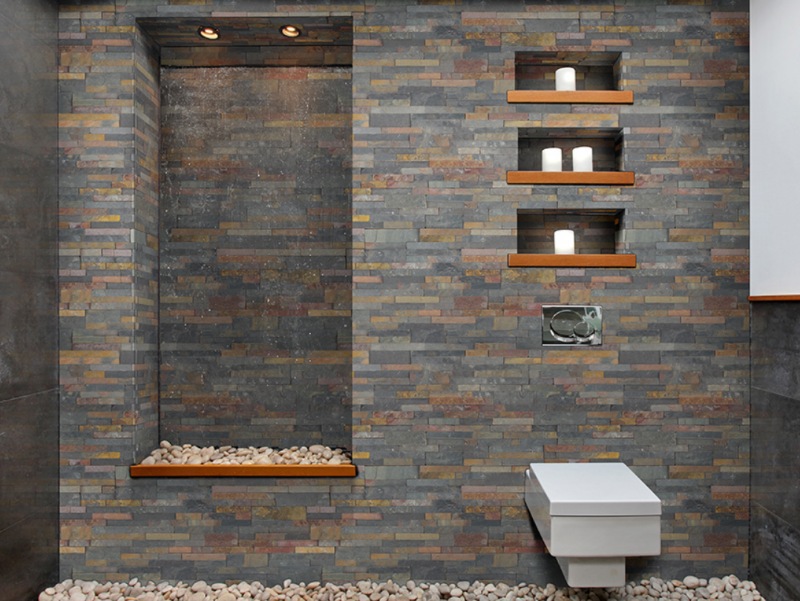
Deciding between stone veneer and real stone for your home’s interior or exterior design can be tricky. Both materials offer distinct aesthetic and functional advantages, but they differ significantly in cost, weight, installation, and maintenance. If you’re planning a renovation or new construction, understanding these differences is key to choosing an option that fits your budget and design vision.
What Is Stone Veneer?
Stone veneer is a lightweight, manufactured alternative to natural stone. It’s typically made from a mixture of concrete, aggregates, and iron oxides that mimic the look and texture of real stone. This material is designed for installation on walls, fireplaces, and facades, as its light weight means it doesn’t have the same structural requirements as full-thickness stone. One of stone veneer’s main appeals is its flexibility; it can be used indoors or outdoors and is available in many styles and colors. For many homeowners, it provides the beauty of natural stone without the installation challenges.
What Is a Real Stone?
Real stone, also called full-dimensional or natural stone, is quarried directly from the earth. This category includes materials like granite, limestone, slate, and sandstone. Each piece is unique in its color, veining, and texture, providing an authentic, organic look that is impossible to perfectly replicate. While real stone can significantly add to a home’s value and elegance, it’s also heavier, more expensive, and more labor-intensive to install. Even so, many people appreciate the durability and timeless appeal that only real stone can provide.
Comparing Cost and Installation
Cost is often a key factor when deciding between stone veneer and real stone. Stone veneer is more budget-friendly, both in material and labor costs. Its lighter weight makes it easier and faster to install, reducing contractor fees. In contrast, real stone is heavier and often requires special foundations or structural support, which increases labor costs and extends project timelines. However, real stone’s durability can make it a smart long-term investment for homeowners planning to stay put. Installation also differs: stone veneer can be applied to various surfaces like wood, drywall, or concrete, while real stone typically requires anchoring to a solid foundation, making it less versatile for remodeling projects.
Durability and Maintenance
When it comes to durability, real stone naturally lasts longer, resisting fading, cracking, and weathering. It can withstand extreme temperatures and harsh outdoor conditions without significant wear, making it a valuable advantage for homes in seasonal climates. While engineered to be durable, stone veneer is not as long-lasting. Over time, moisture or impacts can cause cracks or surface damage. However, with proper installation and sealing, it can still offer many years of performance and aesthetic appeal. Maintenance for both materials is minimal, but real stone typically requires less attention. Stone veneer may need occasional sealing to protect it from water intrusion, especially in humid or freeze-thaw environments.
Visual Appeal and Design Flexibility
While both materials offer great aesthetic value, their appearances differ. Real stone features natural variations in color and texture that create a rich, authentic character many homeowners find irreplaceable. Stone veneer, on the other hand, offers more design flexibility. It comes in a wide range of consistent shapes, sizes, and colors, allowing for precise control over the final look—a clear advantage for contemporary or custom designs. Your choice will ultimately depend on whether you prefer the rugged authenticity of real stone or the tailored finish of veneer.
Making the Right Choice for Your Project
To determine the best fit for your home, consider these key factors:
- Budget – Stone veneer is more cost-effective upfront.
- Weight – Veneer is lighter and easier to work with.
- Longevity – Real stone lasts longer with less maintenance.
- Appearance – Both offer stunning visuals, but real stone has more natural variation.
- Project Type – Veneer is better suited for remodeling; real stone is ideal for new construction or structural walls.
If you’re renovating, stone veneer is a beautiful, budget-friendly option. However, for a timeless, high-end result with long-term value, real stone may be the better choice.
Conclusion
Both stone veneer and real stone serve distinct purposes in home building and design. The right choice depends on your goals, budget, and project needs. For those who want the look of stone without the expense or weight, stone veneer in North Ogden offers great value. However, if authenticity and durability are your priorities, real stone remains a timeless, reliable option.
Keep an eye for more latest news & updates on Discover Heading!