
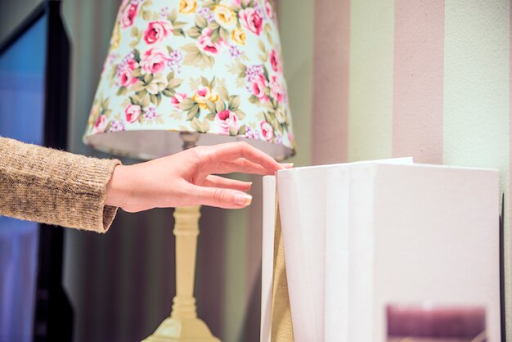
If you’ve ever looked at your old lampshade and thought, “This could look way better,” you’re not alone. Painting lampshade is one of the easiest DIY upgrades you can do at home. It’s cheap, fun, and gives your table shades a fresh personality without buying anything new.
And the best part? You don’t need fancy tools or art-school talent, just a bit of patience and a willingness to experiment. Let’s walk through it together, from picking the right shade to adding the final touches.
Step 1: Choose the Right Lampshade
Before you think about colors or patterns, take a good look at the shade you want to paint. Fabric and paper lampshades are the easiest for beginners. Textured or pleated shades are doable but need more care to get an even look.
If you’re painting lampshade surfaces that are glossy or plastic, expect to use a primer so the paint actually sticks. Light colors give a soft glow. Dark colors look stylish but reduce brightness. So think about where the lamp will sit.
Step 2: Gather Your Supplies
You don’t need a long shopping list. Here’s what actually matters:
- Primer
- Painter’s tape
- A clean, dry cloth
- A mixing palette or plate
- Acrylic paint or fabric paint
- Soft brushes or sponge brushes
Keep your table clear and cover it with a newspaper or an old cloth. Painting lampshade projects gets messy faster than you’d think.
Step 3: Prepare the Lampshade
This part is simple but important. Dust off the shade using a dry cloth. If it feels grimy, lightly wipe it with a damp cloth and let it dry completely. You want a clean surface so the paint doesn’t turn patchy.
If you’re using primer, now’s the time. Apply a thin coat and let it dry fully. It helps the paint glide on smoothly, especially if the lampshade isn’t fabric.
Step 4: Start Painting
Here’s where the fun begins. There are a few ways to paint a lampshade:
Solid Color
If you want a clean, modern look, go for one solid shade of paint. Use long, even strokes and work your way around the lampshade slowly. Two thin coats always look better than one thick coat.
Patterns and Designs
Stripes, waves, polka dots, florals—pick your vibe. Painter’s tape helps a lot if you’re going for straight lines. Freehand patterns look more artistic and organic, so don’t be afraid to play around.
Ombre or Gradient
Blend two colors from top to bottom for a trendy, soft transition. Use a sponge brush and work quickly while the paint is still wet. Take your time. Lampshades are round, which means the paint can streak if you rush.
Step 5: Let It Dry and Touch Up
It might be the hardest part—waiting. Let the shade dry completely before adding more paint. Hold it up to the light once it’s dry and check for uneven spots. A small touch-up here and there makes all the difference.
Step 6: Seal It (Optional)
If you want your masterpiece to last longer, a light sealant spray helps protect the paint. It’s not mandatory, but it’s useful if your lampshade sits in a sunny spot or gets handled often.
Step 7: Put It Back and Admire It
The moment you turn the lamp on, you’ll see how the paint changes the vibe of the space. Painted shades add personality, warmth, and a splash of creativity to any room. They’re perfect for table lamp shades, bedside lamps, or even that lonely corner lamp you’ve been ignoring.
Conclusion
Painting lampshade is one of those simple DIY projects that instantly lifts the look of your room without costing much. Once you understand the basics, you can play with colors, textures, and styles to match your décor or switch things up whenever you feel like it.
So pick a shade, grab some paint, and let your creativity take over. Your lamp will look brand new, and the best part is—you did it yourself.
FAQs
1. What type of paint should I use for painting a lampshade?
Acrylic paint and fabric paint work best because they dry fast and don’t crack.
2. Can I paint any type of lampshade?
Most lamp shades can be painted, but fabric and paper shades are the easiest. Glossy or plastic shades need primer.
3. Will painting lampshade affect the brightness?
Yes. Dark paint absorbs more light. Light paint keeps the glow soft and bright.
4. How long does it take for a painted lampshade to dry?
Usually, a few hours, depending on the paint. Always check before adding another layer.
5. Can I create patterns without being good at art?
Definitely, use painter’s tape, stencils, or sponge dabbing for simple, stylish patterns without any drawing skills.
Stay in touch to get more updates & news on Discover Heading!